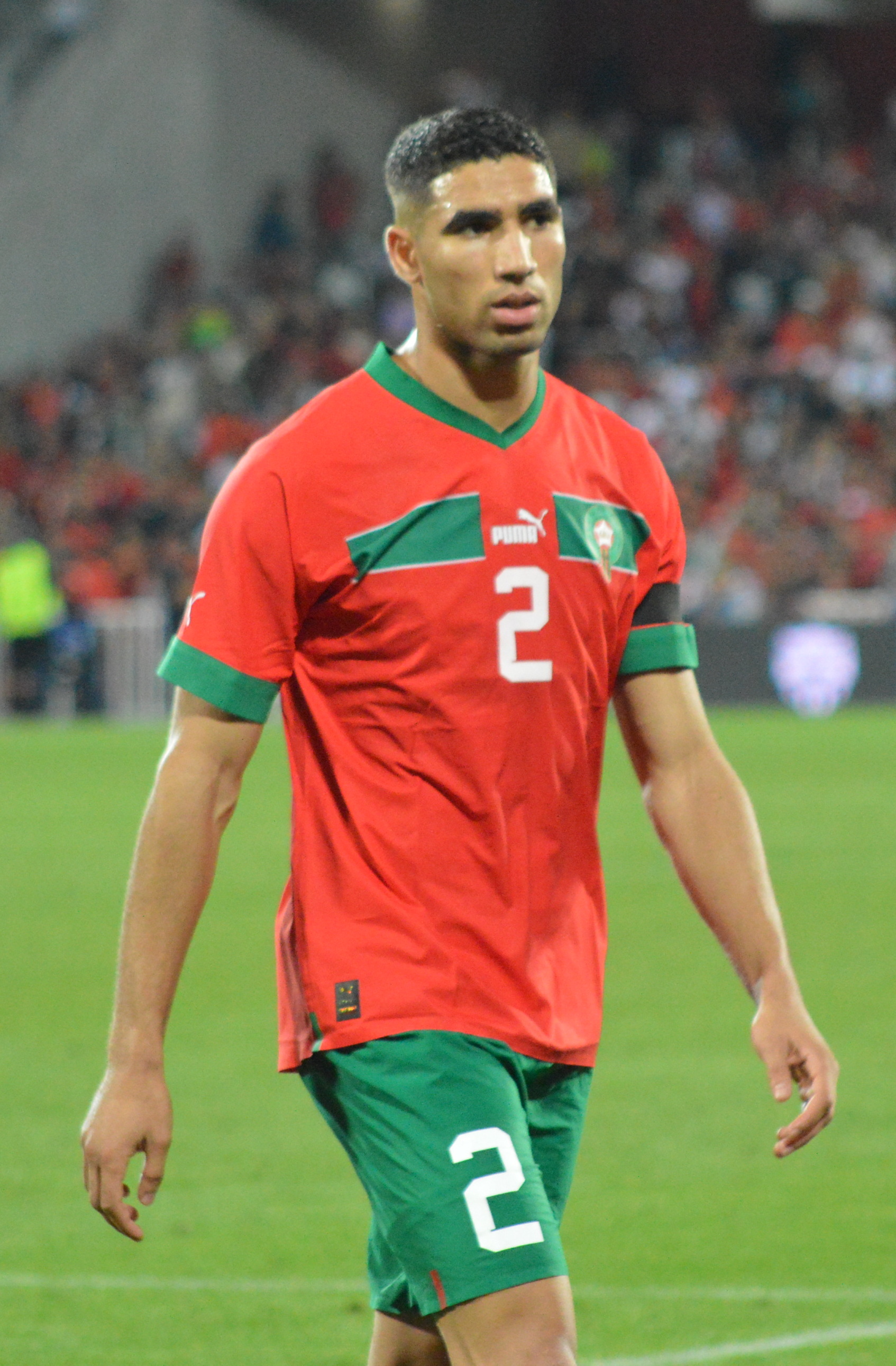
In our preview for this match, we wrote that "Brazil vs Morocco is a coin-flip. The model has it 50-30-20." The model gave Brazil a 50.1% probability of winning, which means it also gave a 49.9% probability that they would not. The match ended 1-1, a result that fell squarely into that other 49.9%.
The draw itself was assigned a 30.2% probability by our ensemble model. The specific 1-1 scoreline was the third most likely final score, with a 12.6% chance of occurring, just behind 1-0 Brazil (19.8%) and a 0-0 draw (19.7%). This was always a more contested fixture than the team names on the jerseys would suggest.
Morocco took the lead in the 21st minute on a fast break. Brahim Diaz found Ismael Saibari, whose shot from outside the box was a high-quality chance, carrying an expected goals (xG) rating of 0.64. Brazil's equalizer came just eleven minutes later from Vinicius Junior, converting an assist from Bruno Guimaraes. In contrast to Morocco's opener, this was a low-probability finish, with the shot rated at just 0.08 xG. Brazil's frustration showed late in the first half with yellow cards for both Casemiro and Roger Ibanez, and both were substituted at the interval. Even with ten minutes of added time in the second half, neither team could find a winner.
Morocco on the ground
Looking at the underlying match statistics, Morocco can make a strong case that they were the better side on the day. They generated a higher total xG than Brazil (1.37 to 1.26) and were far more dominant in individual battles across the pitch. Morocco won 58 of the 99 ground duels (a 59% success rate) and were significantly more effective with the ball at their feet, completing 16 successful dribbles at a 55% clip compared to Brazil's five successful dribbles (a 19% success rate). Brazil held a slight possession advantage (51% to 49%), but Morocco created the better chances and were more physically imposing.
The draw gap
The 30.2% draw probability our model produced stood out because it was considerably higher than what prediction markets implied, where the draw was priced closer to 22%. This is a recurring pattern. We saw a similar dynamic in the Canada-Bosnia match, where our model's 24.5% draw probability was well above the market-implied 18%.
This gap is consistent with the thesis we outlined before the tournament began (Why Prediction Markets Underrate Draws). Prediction markets are structured around binary questions, and the "Will Brazil win?" contract naturally attracts the most attention and liquidity. The draw becomes a residual outcome, its probability often compressed, especially when one team is a recognized global power. Our model, which calculates likelihoods based purely on its inputs, produced a higher rating for the draw, and that rating proved closer to the final result.
What prediction markets missed
Prediction markets priced the draw at roughly 22%. Our model had it at 30.2%. The 8-point gap came down to three things the markets struggled to account for.
First, structural compression. Prediction markets are built around binary contracts: "Will Brazil win?" That question attracts the most liquidity and attention. The draw is what's left over after the two directional outcomes are priced, and in a match involving a five-time World Cup winner, the leftover tends to get squeezed. The model has no such structural bias. It calculates draw probability directly from goal-scoring distributions, and those distributions said this match was tight.
Second, name-brand inflation. Brazil's historical prestige pulls their win probability up in markets in ways that don't map to their current squad. Morocco reached the 2022 World Cup semi-finals. They have players across Europe's top leagues. The model, which rates teams on recent form and goal-scoring output rather than historical reputation, saw a much closer match than the market implied.
Third, goal-scoring profile. Both teams had similar projected xG going in (Brazil 1.06, Morocco 0.59 per the model), and the actual match confirmed it (1.26 vs 1.37, with Morocco slightly ahead). When two teams have comparable attacking output and solid defensive structure, draws become much more likely. The Dixon-Coles and Historical Poisson models, which are specifically built to capture these goal distributions, both rated the draw above 33%.
The on-pitch evidence backs this up. Morocco outshooting Brazil 14-12, winning 59% of ground duels, completing dribbles at nearly triple Brazil's rate. This was not a match where the favourite dominated and got unlucky. Morocco were the better team on the day, and a draw was the minimum they deserved.
The per-model breakdown
The ensemble probability is a blend of several different models, and looking at their individual outputs shows where the high draw rating came from. The pure Elo model, which is based on historical ratings, was much more confident in a Brazil win. The Dixon-Coles and Historical Poisson models, which place more weight on goal-scoring distributions, both saw a much higher likelihood of a draw.
| Model | Brazil | Draw | Morocco |
|---|---|---|---|
| Elo | 60.8% | 22.0% | 17.2% |
| Dixon-Coles | 45.5% | 34.7% | 19.8% |
| Historical Poisson | 44.2% | 33.8% | 21.9% |
| Stacking | 51.3% | 34.7% | 14.0% |
| Ensemble | 50.1% | 30.2% | 19.7% |
Elo saw a traditional favourite; five World Cup titles buy a lot of Elo equity. The goal-based models saw two teams whose scoring and concession profiles made a draw a very plausible outcome. The ensemble averages these views, and in this case the components that saw a tighter match were closer to what happened on the pitch.
Group C from here
A draw between the two highest-rated teams is the ideal result for the other two nations in Group C. Both Brazil and Morocco leave with a single point, preventing either from establishing an early three-point lead. Brazil face Haiti on Matchday 2, Morocco face Scotland. Both are expected to win those comfortably, which means the group could come down to Matchday 3 or back to goal difference from this opener.
All probabilities are frozen pre-match model outputs published on June 9 and locked before kickoff. Post-match statistics sourced from FotMob. The model publishes probabilities, not recommendations. Methodology: /docs/methodology/. Full Terms of Use.